
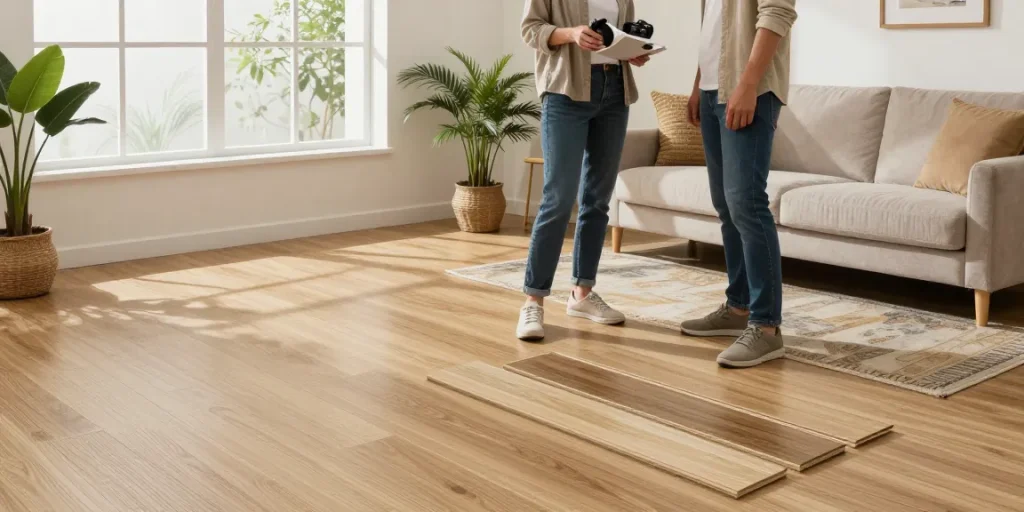
Understanding the Basics of Flooring Options
Choosing the right flooring can be a daunting task for homeowners in the UK. With a myriad of options available, it’s essential to select a style that complements your lifestyle and meets your needs. If you’re contemplating a flooring upgrade, understanding the distinctions between laminate and engineered wood is crucial. This before buying new flooring guide will walk you through the fundamental concepts, helping you make an informed decision.
What is Laminate Flooring?
Laminate flooring is a popular choice among homeowners due to its affordability and versatility. It is composed of several layers: a core layer made from high-density fiberboard (HDF), a photographic layer that mimics the look of wood, and a protective overlay that makes it resilient against scratches and spills. This synthetic material is available in a variety of finishes and styles, allowing it to seamlessly fit into various home aesthetics. Its easy installation process and low maintenance requirements make it a go-to option for many.
What is Engineered Wood Flooring?
Engineered wood, in contrast, offers the authentic appeal of natural wood while boasting enhanced durability. This flooring type is made of a real wood veneer atop layers of plywood or HDF, providing stability and resistance to moisture fluctuations. With its genuine wood surface, engineered flooring exudes warmth and elegance, making it a desirable choice for those looking to elevate their home design. The unique construction allows it to withstand changes in humidity better than traditional hardwood flooring.
Core Differences Between Laminate and Engineered Wood
The choice between laminate and engineered wood ultimately depends on your specific needs. Laminate is a cost-effective, low-maintenance option that works well in high-traffic areas, while engineered wood offers a premium feel and aesthetic that may justify its higher price tag. Understanding these core differences can help you better evaluate your options.
Assessing Your Needs Before Buying New Flooring
Before making a flooring decision, it’s essential to assess various factors including budget, lifestyle, and design preferences. Knowing these components can guide you in selecting the flooring that best suits your home.
Budget Considerations for Flooring Choices
Your budget will play a significant role in your choice between laminate and engineered wood. Laminate flooring typically lies on the lower end of the price spectrum, making it attractive for those who wish to save on flooring costs. Conversely, engineered wood, although pricier, can provide better long-term value due to its durability and appealing aesthetics. It’s wise to factor in both the initial investment and potential long-term costs when planning your flooring budget.
Lifestyle Factors Impacting Your Decision
Your lifestyle can greatly affect your flooring choice. For families with children or pets, laminate might be the more practical choice due to its durability and ease of maintenance. If you tend to experience moisture and spills, laminate flooring can handle these concerns effectively. On the other hand, engineered wood is suitable for those seeking a more high-end look and feel, particularly in low-traffic areas of the home.
Design Preferences and Aesthetic Choices
Design preferences also play a critical role in flooring decisions. Laminate offers extensive style options, but it may not fully convey the authentic look of wood. Engineered wood, while more expensive, provides a genuine feel that can enhance your home’s interior design. Consider your aesthetic goals when choosing your flooring material, as this will impact the overall atmosphere of your living spaces.
Performance and Durability: What to Expect
When investing in flooring, assessing performance and durability is vital. Understanding how each material fares under different conditions can provide insights into long-term satisfaction with your choice.
Scratch Resistance and Maintenance
Laminate flooring is renowned for its high scratch resistance, making it ideal for busy households. Its easy-to-clean surface often requires little more than regular sweeping and occasional mopping. Engineered wood, while beautiful and authentic, may require more diligent maintenance. Regular cleaning and periodic refinishing can enhance its longevity and appearance over time.
Water Resistance in Different Environments
Moisture resistance is another crucial factor. Laminate flooring typically withstands spills and humidity better than engineered wood. However, if properly sealed and maintained, engineered wood can also perform well in damp environments, such as kitchens and bathrooms. It’s advisable to check the manufacturer’s recommendations for the specific product before making a decision.
Longevity and Investment Value Analysis
In terms of longevity, engineered wood often outlasts laminate flooring. While laminate may last around 10-25 years, engineered wood can endure for several decades with proper care, making it a worthy investment in the long run. This is particularly important to consider if you view flooring as an investment in your home’s overall value.
Installation and DIY: What You Should Know
Installation methods can vary significantly between laminate and engineered wood. Understanding these processes can help you determine whether to undertake the project yourself or hire a professional.
Installation Processes for Laminate and Engineered Wood
Laminate flooring is designed for uncomplicated DIY installation, often featuring click-lock systems that don’t require adhesive. This ease of installation can be appealing for homeowners looking to save on labor costs. In contrast, engineered wood may require more specialized skills, particularly if you choose to glue or nail it down. Understanding these differences will help you evaluate your own skill level and the feasibility of a DIY project.
Hiring Professionals vs. DIY Installation
While DIY installation can save money, hiring professionals ensures that your flooring is correctly installed, which can prevent future issues. If you’re unsure about your DIY skills, it may be worth investing in a professional installation to achieve the best results, particularly with engineered wood.
Common Installation Pitfalls to Avoid
When installing flooring, common pitfalls can lead to dissatisfaction. Not adequately preparing the subfloor or miscalculating the amount of material needed can cause problems. Proper acclimation of the flooring material before installation is also essential to ensure that it settles correctly in your space.
Final Recommendations and Buyer’s Guide
Conclusively choosing the right flooring option hinges on your individual priorities and circumstances. Here are some recommendations to guide your final decision.
How to Make the Right Choice Based on Your Priorities
Reflecting on your priorities is key. For budget-conscious homeowners seeking a practical solution, laminate flooring is a solid choice. If you’re looking for authenticity and are prepared to invest more for longevity, engineered wood may be ideal.
Trends in Flooring for 2026 and Beyond
As we look toward 2026, trends indicate a rise in eco-friendly flooring options and natural materials. Homeowners are increasingly interested in sustainable practices and products that minimize their environmental impact while providing quality aesthetics. This might influence your decision if you’re conscious about sustainability.
Frequently Asked Questions Before Buying New Flooring
As you consider your options, here are some frequently asked questions that can help clarify your decision-making process.
What Factors Should I Consider Before Buying Flooring?
Key factors to consider include budget, lifestyle needs, aesthetic preferences, and the specific environment in which the flooring will be placed. Prioritizing these elements will help streamline your selection process.
Is Laminate Flooring Suitable for High Moisture Areas?
While laminate flooring can handle spills effectively, it is not recommended for sustained exposure to high moisture levels. For areas frequently exposed to water, consider options with higher moisture resistance, such as engineered wood with proper sealing.
How Long Can I Expect Engineered Wood to Last?
With proper care and maintenance, engineered wood flooring can last anywhere from 20 to 50 years, significantly outlasting laminate options. Regular cleaning and potential refinishing can enhance its durability and appearance, making it a valuable long-term investment.

More Stories
Stylish Home and Garden Ideas for Every Season